
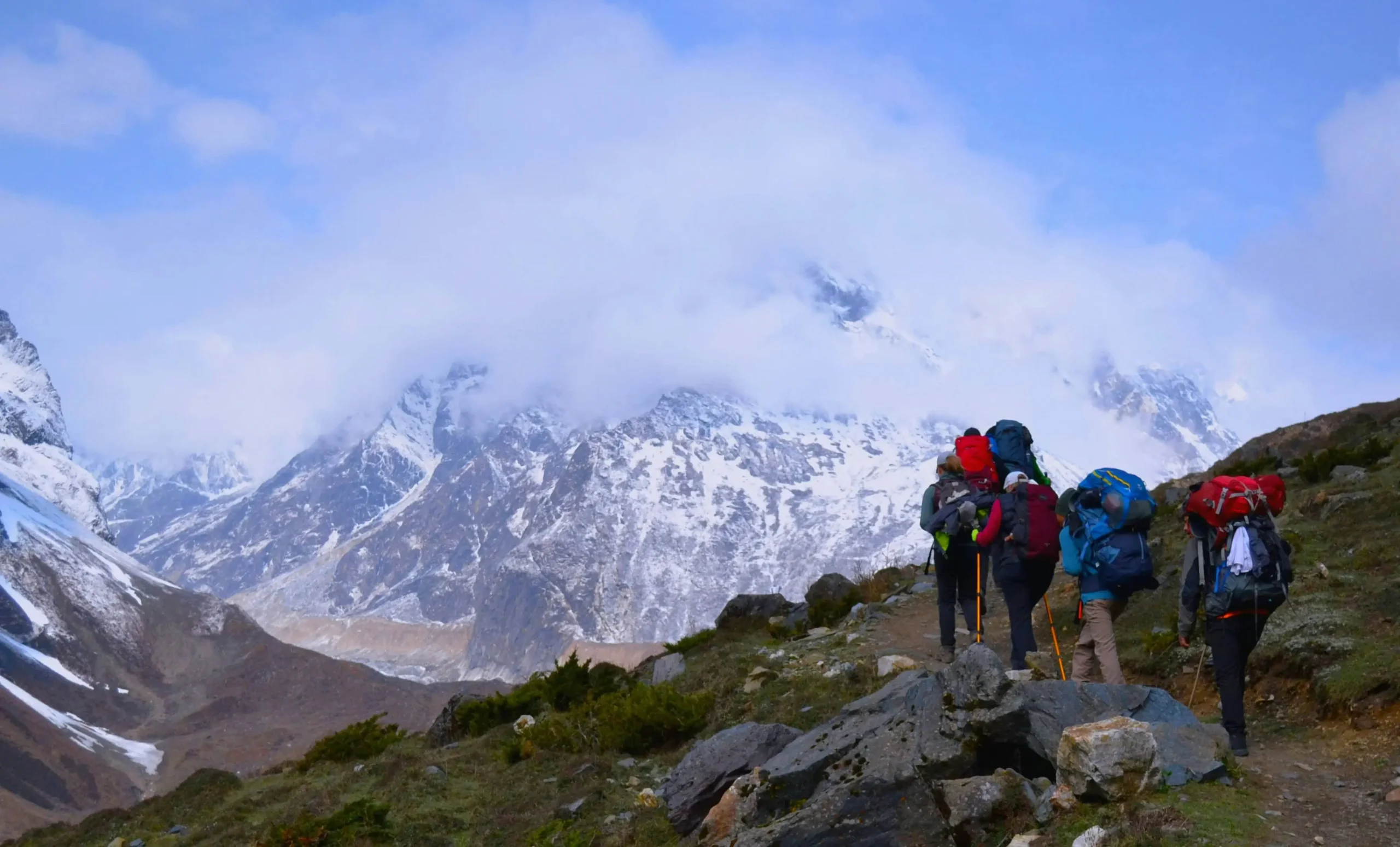
The Manaslu circuit trek will take you to one of Nepal’s best wilderness areas. The Manaslu region has fewer tourists but it is growing in popularity. You will be traveling to the Manaslu conservation area. You will see some of the tallest snow-capped peaks, stunning valleys, cascading waterfalls, gushing rivers, deep gorges, glacier lakes, and will have to cross the Larkya La Pass at 5,106 meters, which is the highest point in this trek.
With difficulty learn everything that you need about manaslu trek.
Introduction to the Manaslu Circuit Trek Difficulty
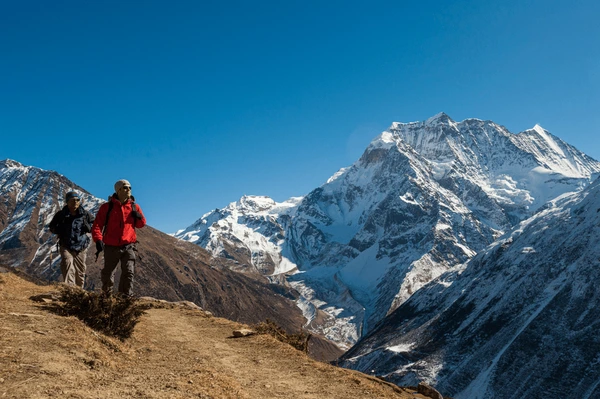
How difficult is the Manaslu trek? It is considered to be moderately challenging. You will have to traverse through challenging terrains to complete the trek. The remote and rugged landscape of the area increases the difficulty level of Manaslu Circuit Trek Itinerary. There is risk of acute mountain sickness because trekkers must spend several long days on high altitude, which increases the Manaslu trek difficulty. Add to this the unpredictable weather.
However, you can take various steps to reduce the Manaslu difficulty. Trekkers need to stay fit and maintain a minimum level of stamina. Prepare yourself in advance with eating healthy foods and rigorous training.
Despite the challenges and Manaslu difficulty, the trek is certainly worth it. The scenic beauty, stunning peaks, wildlife, and insights into local cultures, make this a one-of-a-kind journey that will forever remain etched in your memory.
How difficult is the Manaslu trek? What makes the trek challenging? What level of fitness do you need? And what type of physical training can minimize the Manaslu circuit trek difficulty? In this detailed guide, we will look into all this in detail.
What Makes the Manaslu Circuit Trek Challenging?
This is one of Nepal’s most difficult treks because of various reasons like the length of the trek, challenging trail, high altitude, unpredictable weather, and health challenges like altitude sickness.
It is a long duration trek where you will have to walk for about 180 kilometers over several days – between 12 and 15 kilometers each day depending on the number of days in which you want to complete the circuit. The first few days will be difficult as you will encounter a harrowing steep on the Budhi Gandaki Gorge. The many uphill and downhill slopes and breezy trails also increase the Manaslu circuit trek difficulty.
Rugged Terrains and Long Duration
Those who are wondering how difficult is the Manaslu trek should know that it is challenging mostly because of the rugged terrains you have to cross and the long trek distance. Your journey starts from Kathmandu, which is in a valley at a low altitude of 1,400 meters or 4,593 feet. The highest point is the Larkya La Pass at 5,160 meters. There will be many winding paths and stone staircases that will make your work difficult. There will be lose soil in many areas that can make you slip and, of course, it will be even worse if there is rain or snowfall.
The Manaslu trek difficulty will also be high in the Budhi Gandaki Valley and Nubri Valley regions. The ascents and descents demand good fitness, endurance, and stamina. As you climb higher, you will find fewer trees, which means, you will get more exposed to the elements, such as sun, snow, and cold wind.
It is also a long duration trek as you will have to walk for several days, which makes the Manaslu Circuit trek difficulty high. The total trek distance is 180 kilometers, which makes it longer than the 130 kilometer Everest Base Camp Trek. You can complete the trek in 12 to 17 days, depending on the distance you can cover in a day and the teahouses where you choose to stay.
To cover the distance, you will have to walk every day for 12 to 15 kilometers with just a couple of rest days for acclimatization.
High Altitude and Larkya La Pass
How difficult is Manaslu trek is also determined by the high altitude, which will be one of the greatest challenges. Manaslu at 8,163 meters is the world’s 8th tallest peak. But in this trek, the highest altitude you will reach is 5,160 meters, which is the Larkya La Pass. The human body usually cannot sustain such high altitude without proper training and acclimatization.
Your trek will start from Kathmandu, which is in a valley. Over the next few days, you will reach higher altitudes –
- Soti Khola – 730 meters
- Machha Khola – 870 meters
- Jagat – 1,290 meters
- Deng village – 1,804 meters
- Namrung – 3,480 meters
- Samagaun – 3,530 meters
- Samdo – 3,875 meters
- Dharmasala – 4,460 meters
- Bimtang via Larkya La Pass – 5,160 meters
You will cover the climb over many days but the gap in elevation can still increase the difficulty level for many trekkers, and cause health issues. The availability of oxygen decreases with increasing elevation. It goes down by about 11%. Many trekkers begin to face problems above 2,500 meters, which increases as you go upwards.
When moving higher, you will notice a shortness of breath, which will increase the Manaslu trek difficulty. There can be symptoms like breathlessness, headaches, occasional nausea, and insomnia. These are all common symptoms of altitude sickness. It is difficult to predict in advance how your body will react in a higher altitude. In extreme cases, there can be high altitude sickness or Acute Mountain Sickness (AMS), which can even be life threatening.
A long itinerary will help you get adjusted. You will then be able to acclimatize better to the altitude. Keep at least one day for acclimatization. For many groups of trekkers, the rest day is usually at Samagaun.
Also, make sure that you walk slowly, drink plenty of water, and take regular rests. Another good idea is to plan shorter trekking days. This increases the number of days but reduces the risk. Also, climb down to a lower level if you have the symptoms of AMS.
The Role of Altitude in the Manaslu Trek Difficulty
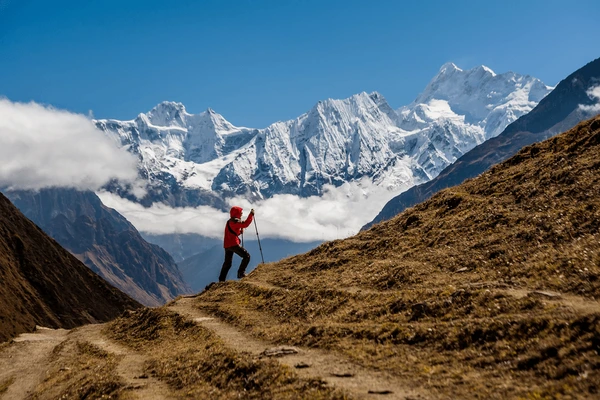
Risk of altitude sickness affects all trekkers – both the beginners and the experts. Generally, 2,500 meters to 3,000 meters is defined as high altitude. In truth however, the body may begin to change much before that. The first thing that may happen is a change in your vision. It can become slightly impaired at 1,500 meters.
The International Society of Mountain Medicine has defined high altitude as anything above 5,000 feet or 1,500 meters above the sea level. The elevation has been divided into four categories –
1. High Altitude – 1,500 to 3,500 meters
2. Very High Altitude – 3,500 to 5,500 meters
3. Extreme Altitude – Above 5,500 meters
4. Death Zone – Above 8,000 meters
There are 14 peaks above 8,000 meters, including Mount Manaslu, which is 8,163 meters. On the Manaslu region trek, the highest altitude is the Larkya La Pass at 5,160 meters, which means you will be in the Very High Altitude category.
Effects of High Altitude on the Body
There will be other effects on the body apart from the subtle vision changes around 1,000 meters. However, most people will begin to feel the effects only around 3,000 meters. The capital of Bolivia La Paz has an altitude of 3,650 meters and international travelers can easily land at the airport without any acclimatization. But you may still feel uncomfortable if you exert yourself too much after arriving.
At 3,000 meters, the oxygen level will be lower, which means, there will be slightly faster breathing. The human body breathes faster in the short term to adapt. The heart rate will increase between 3,000 to 4,000 meters as the heart will have to pump faster to provide more oxygen-rich blood to the body. Some people may experience fluid retention followed by dieresis (you may pee more often) between 4,000 and 4,500 meters. The body will find it more difficult to adapt as you climb higher.
Symptoms of Altitude Sickness and Acute Mountain Sickness (AMS)
Acute mountain sickness can become a serious condition when ignored and no preventive steps are taken. In this, the body does not have the time to adjust to the lower oxygen level in high mountain regions. When severe, it can even be life-threatening. The common symptoms of altitude sickness include nausea, vomiting, headache, fatigue even after resting, loss of appetite, dizziness, vision changes, and insomnia.
There is a higher chance of the symptoms to appear at higher altitudes and in poor weather conditions. All trekkers should look out for the symptom whether they are worried about how difficult is Manaslu trek or not.
Altitude sickness refers to three conditions –
Acute Mountain Sickness (AMS) – This is the most common form.
High altitude pulmonary edema (HAPE) – HAPE is a condition where the altitude sicknesses affects the lungs. They get filled with fluid. It is a medical emergency requiring immediate attention.
High Altitude Cerebral Edema (HACE) – Here, the high altitude makes the brain swell. It is the most severe form and a dangerous condition.
Both HAPE and HACE require evacuation. HAPE can quickly turn deadly within just 12 hours. HACE requires 24 hours to become life-threatening. But it will not come to that if you take preventive action. Stop climbing and go down immediately if you show the symptoms. You will then be able to reduce the risk of altitude sickness substantially.
How Common Is Altitude Sickness?
AMS can be common among the trekkers who are not properly acclimatized, which means, the body has not become adapted to breathing at higher altitudes. Almost everyone who goes up too quickly is at risk.
The higher you go, the greater your risk for altitude sickness. Drug use and alcohol use also increases the risk and also a past history of the condition.
Managing Altitude Sickness on the Manaslu Circuit Trek
How difficult is Manaslu trek certainly depends on the risk of altitude sickness. However, you can still minimize the risk. It can be physically and mentally challenging if you are not adequately prepared. Start by organizing and planning the trek systematically.
Follow an intense fitness program to achieve good physical health even before arriving in Nepal. This will help you deal with the higher altitudes and reduce the Manaslu difficulty.
Proper Acclimatization
The human body is smart and will try to adjust itself with the higher altitude and lower oxygen level. But you must give it the rest it needs so that it can adjust better. In most itineraries, there is at least a day of rest at Samagaun for acclimatization. Sometimes, there are two days of rest.
Also, check your pulse and heart rates frequently. Sleep properly and maintain a good appetite. Allowing the body to cope gradually with the changes is the key to finding an answer to how difficult is Manaslu trek.
Nutrition and Hydration
Staying properly hydrated reduces the Manaslu difficulty. Drink plenty of water. Anything between 3 and 5 liters each day is recommended. Also, you have to eat plenty of carbs and food with nutrients.
Good nutrition with cereals, pulses, adequate carbohydrates, proteins, healthy fats, and fibers will keep you going. You can then stop worrying about how difficult is Manaslu trek. Also, remember to carry light meals rich in nutrients.
Descend During Sleep Time
Usually, altitude sickness becomes more serious during the night. So, climb to a higher altitude during the day but return to a lower level to sleep. Thus, when planning the itinerary, look for villages and select teahouses at lower altitudes. You will get more oxygen at a lower altitude village.
This strategy will ensure a safer climb. The quality of your sleep will also improve as the temperature will be warmer and this will give you more energy on the next day. You will then enjoy the climb more.
Avoid Drinking and Smoking
Alcohol and cigarettes can be hazardous in the long duration high altitude trek. They can also cause more complexities in instances of altitude sickness. For instance, smoking will reduce your body’s oxygen intake and also affects lung functions. Alcohol, on the other hand, causes dehydration and impairs the decision-making process, which increases the risk.
Medications
Nifedipine, Dexamethasone, or Acetazolamide are all doctor-recommended medications for AMS. They can prevent altitude sickness and its complexities. Diamox is often prescribed both as a precaution and treatment for the condition. It can adjust the body’s oxygen requirements. Make sure to take it in proper dosage, as prescribed by your doctor.
Ibuprofen will provide relief from headaches and muscle aches, which are mild forms of altitude sickness. Anti-nausea medications, such as Phenergan and Zofran will provide relief from nausea and vomiting. You should also carry medicines for emergencies like Dexamethasone. This will prevent brain swelling. Oxygen supplements will increase the level of oxygen.
Weather and Seasonal Challenges
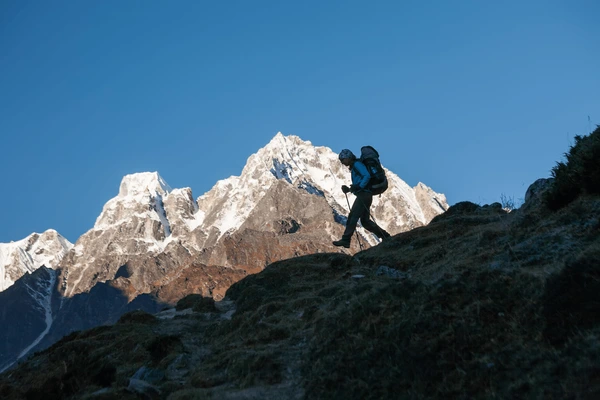
The unpredictable weather condition will be another challenge as the weather is often localized. There can be a general prediction based on the season and month of your visit, but it can still be different each day. The temperature can turn from moderate to freezing cold quickly in the higher regions if there is snowfall and unexpected rain.
Weather Conditions in the Manaslu Region
The trek covers five climatic zones –
1. Tropical zone between 1,000 and 2,000 meters
2. Temperate zone between 2,000 and 3,000 meters
3. Subalpine zone between 3,000 and 4,000 meters
4. Alpine zone between 4,000 and 5,000 meters
5. Arctic zone above 4,500 meters
The weather condition and temperature will vary rapidly in the Manaslu region depending on the zone and the time of the year. The temperature can range between 25°C (77°F) and – 15°C (5°F) depending on the season.
In the tropical region, the summer temperature will be between 31 and 34 C and 8 and 13 C in the winter. In the temperate zone, it will be 22 to 25 C in the summer and 2 to 6 C in the winter. You can expect a lot snowfall and so you will definitely need warm clothing. The arctic zone is the area of permanent snow line. The temperature will always be below the freezing point.
Irrespective of the season, you can expect the cold to increase and the weather condition to become more unpredictable as you move up. It is essential to be always prepared with warm clothing.
Peak Seasons for Trekking the Manaslu Circuit
The peak season for trekking in the Manaslu conservation area is between March and May, which is spring. You will get clear skies and moderate temperatures. However, there can be an occasional rain and snow, especially in the higher altitudes. There can also be strong winds sometimes. Autumn, September to November, is also a good time. Clear skies will offer stunning views. So, spring and autumn are both good times to plan this trek.
How difficult is Manaslu trek will be a more pertinent question between June and August, which is the monsoon season. Frequent showers will make the track muddy and slippery. There can be flooding and landslides too, which will make it risky.
December to February is winter time and the coldest season. The weather can be severe. The track will be covered in snow, even in the relatively lower altitudes.
Physical and Mental Preparation for the Manaslu Circuit Trek
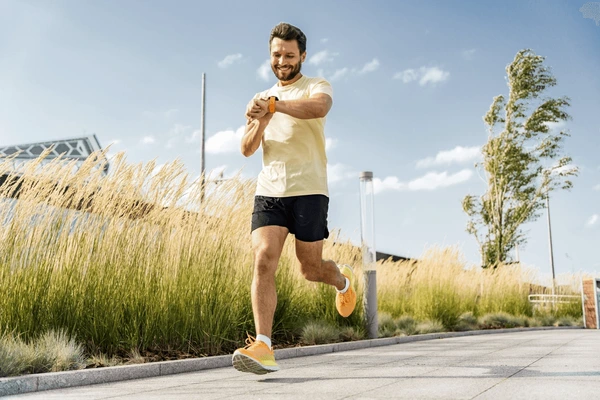
Physical fitness will help you acclimatize better. It is best to do some strength training and cardiovascular endurance in advance. Also, try to improve your balance and flexibility. Hiking practice is also a good idea. Mental toughness is also equally important. Prepare yourself mentally as you will have to walk for many days and may face many potential challenges. Practice meditation, mindfulness, and stress-relief techniques. This will build your mental resilience and reduce the Manaslu circuit trek difficulty.
Importance of Being Physically Fit
You won’t have to worry on how difficult is Manaslu trek if you are physically fit. It is a long trek over many rugged terrains, so you must have a minimum level of physical fitness. You will be able to complete the trek and avoid altitude-related health issues.
Proper fitness training before the trek is essential. Exhaustion and breathlessness will lessen if your heart can supply oxygen well to the muscles. You will then be able to maintain a constant pace while climbing the rugged terrains in the higher altitudes. Do exercises that will strengthen your lungs and heart, like cycling, swimming, and running. Do everything to stay physically fit. Improve cardiovascular endurance.
You will also need strong leg muscles and also upper body strength, which will help you maintain balance to carry your backpack. Strength exercises, such as squats, lunges, and push-ups will all help.
Mental Endurance and Challenges on the Manaslu Circuit Trek
If you are worried about how difficult is Manaslu trek, then you must also focus on mental health. Prepare yourself mentally for the challenges ahead. Mental health will affect how you feel and think, which eventually will affect how you will act during the long duration trek. Also, you need to have the mental strength to keep pushing to complete the trek. You need to be fit both physically and mentally – they are both equally important.
Hiring Guides and Porters to Ease the Difficulty
The Nepal government has made it mandatory that trekkers must enter the Manaslu region with a registered guide. The truth is, it will be extremely risky to go up there without a guide. A porter on the other hand, will make it easier for you by carrying much of the essentials.
How Guides Help with Navigation and Safety
The Manaslu circuit trek difficulty will certainly increase without a guide. Remember, there are many challenges in the Manaslu region. A professional guide knows the area and has the training to manage emergency situations. The person can take you to the less familiar parts of the Manaslu conservation area, which will make your experience even more enjoyable and memorable.
The guide will arrange all logistics, so you don’t have to worry about anything. Those asking how difficult is Manaslu trek should know that it will be more challenging as you go up. A guide can understand subtle weather changes and situations when it can turn risky. The guide will help you cross the roaring rivers, ravines, suspension bridges, and navigate through the icy fields, which will all reduce the difficulty level. Besides, the person will keep you on the correct trail. You will find many trails branching off, which can make it confusing.
You can visit the local houses and communicate with the villagers. On the trail, you will visit Gurung, Magar, Thakali, and Sherpa villages, where the locals have unique lifestyles, customs, and cultures. A guide can help you learn their history, cultural practices, and traditions.
The trek is physically and mentally challenging. In case there is an injury or accident, a guide can easily arrange medical help.
Porters for Carrying Equipment and Reducing Physical Load
It is not mandatory to have porters during the trek but it is still advisable to have at least one porter. Porters carry your luggage during the trek, which reduces your load and makes it easier for you to walk. This will certainly help you to complete the trek. Besides, the chance of your staying physically fit also increases if you don’t have to carry heavy equipment.
If you want to save money, you can opt for a person who can be both your porter and guide. The person will carry the bulk and also guide you on the route. The charge will be less compared to a professional guide.
Comparing the Manaslu Circuit Trek Difficulty to Other Treks in Nepal
There are various scenic and high altitude treks in Nepal like the Everest Base Camp trek, Everest Gokyo Lake, and the Annapurna Base Camp trek. How difficult is Manaslu trek compared to them?
How Manaslu Circuit Differs from Other Popular Treks
The Manaslu region sees far fewer trekkers compared to the other popular treks in the country, making it more serene than most others. You will be visiting some of the remotest corners and walking on challenging trails, which makes the question how difficult is Manaslu trek very relevant.
Comparing Manaslu with Annapurna
The Annapurna trek can get crowded as there are no restrictions. Manaslu, on the other hand, is a protected area and more serene. You will find steep ascents and descents. But in Annapurna, they are quite gradual, and thus easier. The trails are also well marked. You can expect Manaslu to be wilder, which increases the Manaslu Circuit trek difficulty.
Manaslu’s length is about 180 kilometers, whereas for Annapurna, it is between 160 and 210 kilometers. Larkya La Pass at 5,106 meter is the highest point on Manaslu. On the Annapurna trek, it is the Thorong La Pass at 5,416 meters.
Comparing Manaslu with the EBC trek
The highest point in the Everest Base Camp trek is Kala Patthar at 5,164 meters. It offers stunning views of Mount Everest. The EBC trek is shorter, making the difficulty level lower. You have to walk 130 kilometers. The longer duration of the Manaslu circuit allows better acclimatization, which reduces the risk of Acute Mountain Sickness. Like the Annapurna trek, the EBC trek can also get crowded as it is the most popular among all treks in Nepal.
Why the Manaslu Circuit Trek Attracts Adventurous Trekkers
How difficult is Manaslu trek? It is certainly challenging but is still one of the best treks in Nepal that attracts many trekkers from around the world.
The Manaslu region is pristinely beautiful. It is less crowded and more peaceful. Its remote and rugged beauty is unmatched. In the lower altitudes, you will pass through lush pine, bamboo, and rhododendron forests. You will cross stunning mountain passes, including the imposing Larkya La Pass. You have a chance to see wildlife in this long distance trek, including wildlife like blue sheep, Himalayan marmots, yaks, and monkeys.
Practical Tips for Completing the Manaslu Circuit Trek
Acclimatization is the key to successfully completing the trek. You must also focus on good health before coming to Nepal, hiring a good guide and porter, and making sure that you have everything you need during the trek.
Packing Essentials for the Manaslu Circuit Trek
Pack for the weather condition. Remember, it will be extremely cold in the higher region and so you must have adequate warm clothing. Here are some items you will need during the trek –
Clothing
- Down jacket and suit
- Primaloft trousers and jacket
- Waterproof jacket
- Thermal tops
- Short/long Polypropylene Sleeve Shirt for the lower altitude
- Liner gloves
- Thermal underwear and balaclava
- Sun hat
- Sports bra (for women)
- Sunglasses
Climbing Gear
- Backpack
- Climbing helmet
- Harness
- Ice axe
- Trekking poles
- Headlamp
- Lithium spare batteries
Footwear
- Trekking shoes
- Warm socks
Personal Equipment
- Water bottle
- Vacuum flask
- Sunscreen
- Lip guard
- Toiletry bag with mirror
- Toilet roll
- Sanitary napkins (for women)
- Razor and shaving cream
- High-calorie snacks
Camping Equipment
- Sleeping bag
- Inflatable sleeping mattress
- Multi-tool knife
- Pee bottle
First-Aid & Medicines
- Diamox tablets
- Antibiotics
- Cough lozenges
- Painkillers
- Foot powder
- Bandages and plasters
- Water purification tablets
- Earplugs
- Eye drops
- Skin blister repair kit
- Hand sanitizer
- Insect repellent
- Moisturizer
Staying Safe and Healthy on the Trek
Gear up for the trip and prepare physically and mentally. Wear layered clothing and carry all essential equipment. Most importantly, you have to stay safe and healthy. Altitude can dehydrate the body quickly. So, make sure to drink plenty of water to remain physically fit. You can also take electrolyte tablets. Eat high-energy foods that are rich in proteins, healthy fats, and carbohydrates. Also, carry snacks like energy bars, dried fruits, chocolates, and nuts. They will give you a quick energy boost.
Be mindful of acute mountain sickness as it is a real danger. Go down to a lower altitude immediately if you see the symptoms of altitude sickness.
Conclusion: Is the Manaslu Circuit Trek Worth the Difficulty?
How difficult is the Manaslu trek? It depends on various factors. The fact is, the Manaslu circuit trek difficulty will be moderate to high depending on your health condition and how well you have planned and prepared for the trip. The higher altitudes will be cold. The trail can be slippery if there is snowfall and rain. You need to be physically and mentally strong to complete the trek.
The Manaslu trek is certainly worth it despite all the challenges. You will be visiting one of the most remote and wildest regions on the planet but you will come face-to-face with stunning scenic beauty. It is one of the most picturesque treks in Nepal.

http://toyota-porte.ru/forums/index.php?autocom=gallery&req=si&img=3230
https://myteana.ru/forums/index.php?autocom=gallery&req=si&img=6836
http://wish-club.ru/forums/index.php?autocom=gallery&req=si&img=5443
http://passo.su/forums/index.php?autocom=gallery&req=si&img=4311
https://myteana.ru/forums/index.php?autocom=gallery&req=si&img=6907
Awesome https://is.gd/tpjNyL
Very good https://is.gd/tpjNyL
Very good https://is.gd/tpjNyL
Вопрос xrumer прогон интересует многих SEO-специалистов, так как этот метод ускоряет продвижение.
Нестабільна погода більше не проблема, якщо під рукою є надійні парасолі. Вони захищають від дощу та сонця, стаючи не лише практичним, але й стильним аксесуаром.
Awesome https://is.gd/N1ikS2
Very good https://is.gd/N1ikS2
Awesome https://is.gd/N1ikS2
Good https://is.gd/N1ikS2
Awesome https://is.gd/N1ikS2
Good https://is.gd/N1ikS2
Awesome https://shorturl.fm/5JO3e
Very good https://shorturl.fm/bODKa
https://shorturl.fm/a0B2m
https://shorturl.fm/9fnIC
https://shorturl.fm/6539m
https://shorturl.fm/bODKa
https://shorturl.fm/FIJkD
https://shorturl.fm/68Y8V
https://shorturl.fm/A5ni8
https://shorturl.fm/MVjF1
https://shorturl.fm/PFOiP
https://shorturl.fm/uyMvT
https://shorturl.fm/VeYJe
https://shorturl.fm/VeYJe
Invite your network, boost your income—sign up for our affiliate program now! https://shorturl.fm/fG9Px
Start earning on every sale—become our affiliate partner today! https://shorturl.fm/jcH2A
Tap into a new revenue stream—become an affiliate partner! https://shorturl.fm/s8WRK
https://shorturl.fm/pWtKF
https://shorturl.fm/Z6CLO
https://shorturl.fm/bEXCN
https://shorturl.fm/MBKfV
https://shorturl.fm/s8SQ0
https://shorturl.fm/DslyE
https://shorturl.fm/kkBF5
https://shorturl.fm/nsegM
https://shorturl.fm/EWJX7
Votre guide parifoot rd congo: picks quotidiens, cotes comparees, tickets securises, gestion de mise, cash-out et promos. Depots via mobile money, retraits rapides, support francophone. LINAFOOT, CAF, ligues europeennes. Pariez avec moderation.
Нужна фотосьемка? съемка для маркетплейсов каталожная, инфографика, на модели, упаковка, 360°. Правильные ракурсы, чистый фон, ретушь, цветопрофили. Готовим комплекты для карточек и баннеров. Соответствие правилам WB/Ozon.
Всё про технику https://webstore.com.ua и технологии: обзоры гаджетов, тесты, сравнения, ИИ и софт, фото/видео, умный дом, авто-тех, безопасность. Пошаговые гайды, лайфхаки, подбор комплектующих и лучшие приложения. Понятно, актуально, без лишней воды.
Нужна лестница? изготовление лестниц под ключ в Москве и области: замер, проектирование, производство, отделка и монтаж. Лестницы на металлокаркасе. Индивидуальные решения для дома и бизнеса.
Нужен интернет? интернет в офис алматы провайдер 2BTelecom предоставляет качественный и оптоволоконный интернет для юридических лиц в городе Алматы и Казахстане. Используя свою разветвленную сеть, мы можем предоставлять свои услуги в любой офис города Алматы и так же оказать полный комплекс услуг связи.
Купить квартиру https://kvartiratltpro.ru без переплат и нервов: новостройки и вторичка, студии и семейные планировки, помощь в ипотеке, полное сопровождение сделки до ключей. Подбор вариантов под ваш бюджет и район, прозрачные условия и юридическая проверка.
Планируете купить квартиру https://kupithouse-spb.ru для жизни или инвестиций? Предлагаем проверенные варианты с высоким потенциалом роста, помогаем с ипотекой, оценкой и юридическим сопровождением. Безопасная сделка, понятные сроки и полный контроль каждого шага.
Your network, your earnings—apply to our affiliate program now!